
Radical Kindness
In the novel Florida by Lauren Groff, a character asks her partner for reassurance:
“You think there are still good people in the world?”
“Oh, yes,” he said. “Billions. It’s just that the bad ones make so much more noise.”
This sentiment feels true, perhaps now more than ever. This spring issue focuses on the radical kindness that is out there, in here, and in you. We hope these words and artworks help rekindle memories of those who have helped you on your healing journey while also sparking new connections and potential kindnesses going forward. As the Primary song by Clara W. McMaster reminds us, “Kindness begins with me.”
But true kindness, of course, can look many different ways. And the appearance of kindness can sometimes be its opposite. This issue delves beyond simplistic takes on kindness by showcasing different lived experiences, putting them side-by-side in conversation. I have broader hopes, too, reflected in my reading lately. Jill Mulvay Derr’s essay in Sisters In Spirit: Mormon Women in Historical and Cultural Perspective, underscores what the “nationwide emphasis on the nuclear family, not the extended family,” did to reshift female kinship ties while also placing “new emphasis on economic and emotional self-sufficiency for individuals in lieu of cooperation” (191). I hope that we can reclaim our female kinship and friendship ties, as well as economic and emotional cooperation, and fight the isolation and consumerism that we are so often sold.
This spring issue focuses on the radical kindness that is out there, in here, and in you.
The stories shared in this issue push against individual loneliness by instead choosing connection and vulnerability. Sometimes the kindness comes from a community effort, as shown in Trina Caudle’s essay about Scouts and in Nicole Sue Taylor’s piece about the support her community shows toward her trans daughter. Jenna Rakuita also offers poetic vignettes that underscore the interdependent ways we rely on each other.
In this issue, many people also help ease burdens during a time of acute suffering. Sandrakay Davis experiences firsthand the generosity of strangers when she is lost and alone at a bus station in a new country. Sandra Heartling and Claire Breedlove describe the loss of children and the individuals who helped bolster them with their unique, kind acts, whereas Colleen Solomon narrates the experience of having strangers attend to her following a car accident. Hinckley A. Jones-Sanpei explores being her brother’s keeper and what boundaries and support look like when a loved one struggles with substance abuse and mental health. Two essays grapple with the complex legacies of mothers: Cherie Pedersen recalls her mother’s oft-praised warmth and kindness alongside the nuances in their relationship, and Melodie Jackson grapples with grief while naming that “the most radical act of kindness I could give to my mom and myself would be to imagine who she was as a person and especially as a Black Woman.” Our final essay, “I Don’t Care Much for Kindness” by Cindy Baldwin, challenges traditional, ableist notions of kindness in favor of expansive dignity.
Alongside an array of theology, prayers, poems, and artwork, we also include interviews with artists who engage with immigration (because kindness knows no borders) and an interview with Rachel Hunt, whose Tiny Kindness project inspired the tiny stories peppered throughout this issue — recognizing, naming, witnessing, and documenting the many kindnesses that happen. No intentional kindness is ever small.
As you navigate this season of your life, wherever you may be literally or figuratively, we hope this collection can help you feel the love and support of our sisterhood and siblinghood. We need each other in this era of darkness and fear. Kindness can be a radical act of hope, especially when so many of our own and others’ stories feel so heavy. “Radical,” by definition, implies a change, an action, a reimagining. May you have lightness and peace and recognize the tiny, radical kindnesses you have felt and can create.
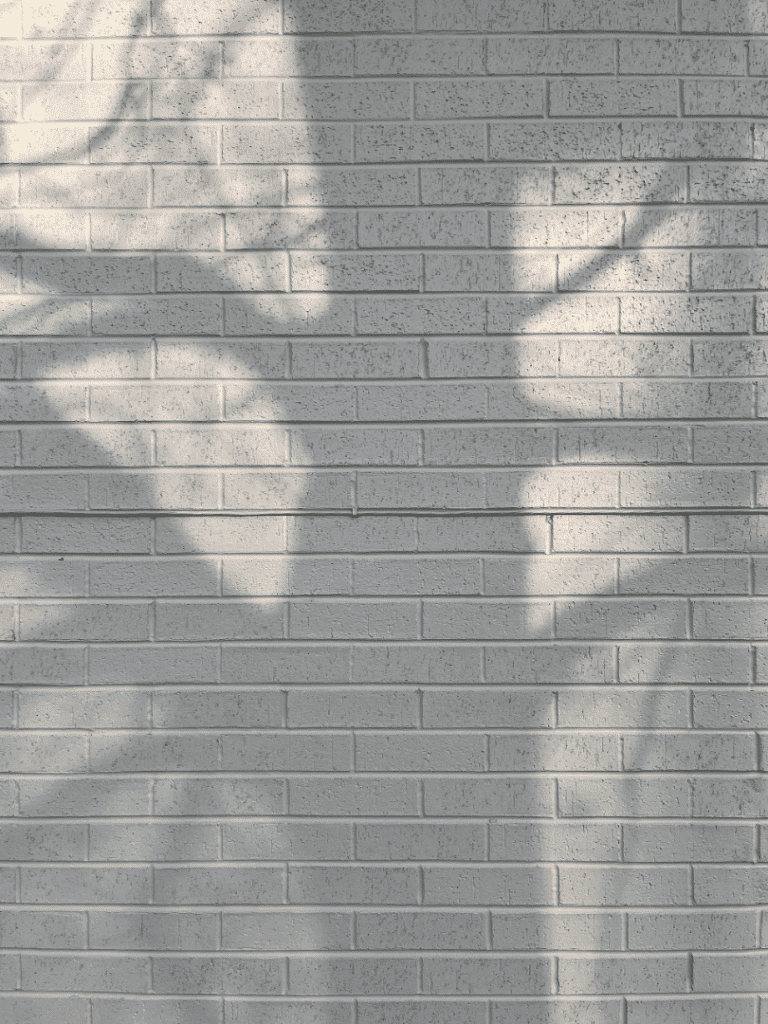
ARTIST STATEMENT
Simple Wonder
The gentle and simple beauties of God’s creations remind us that God sees us, in which seeing is a radical form of kindness unlike anything humans can offer.
Camille Wheatley
www.dotdotarchitecture.com | @saltandwheat
Categories: Letter from the Editor
Comments (0)
No comments yet.